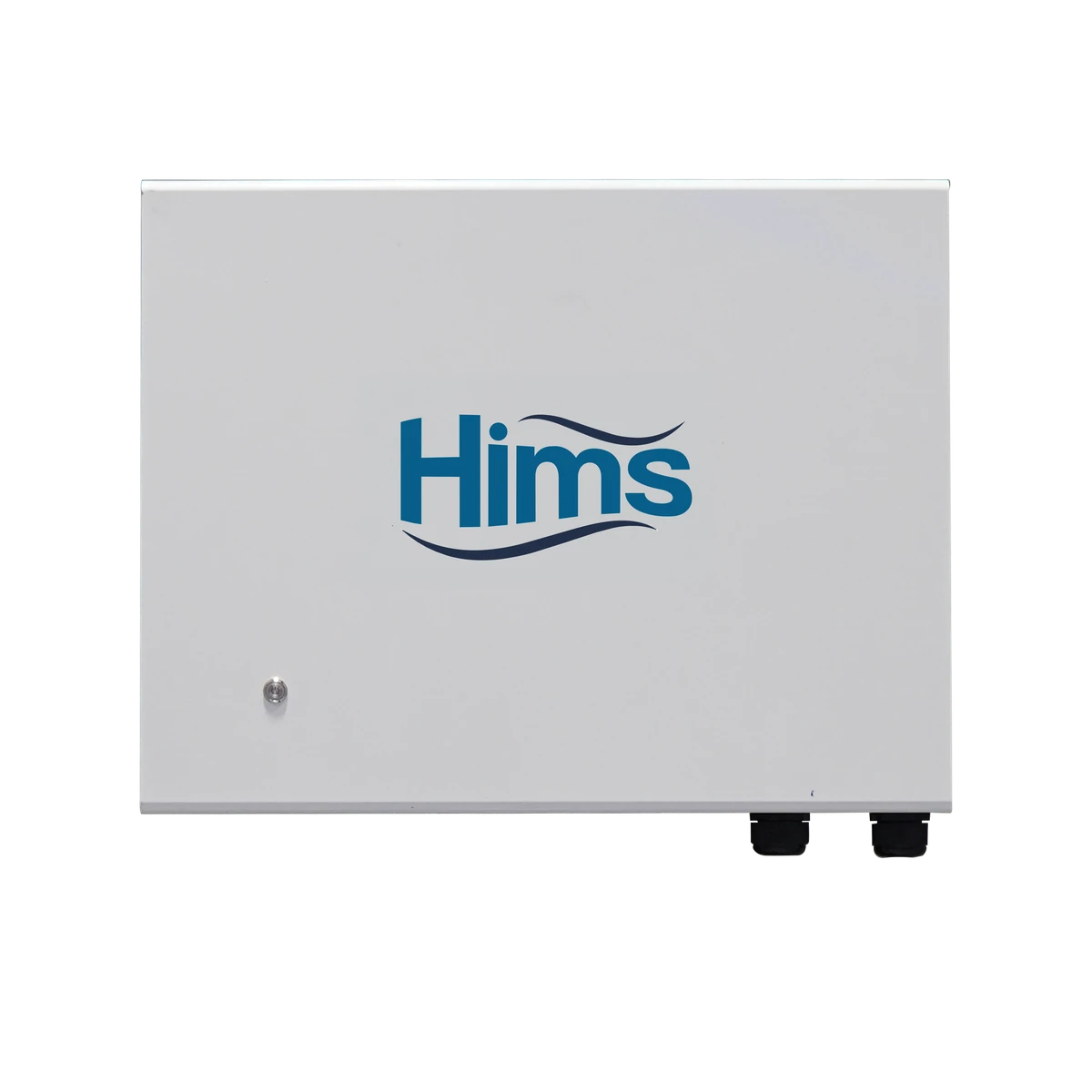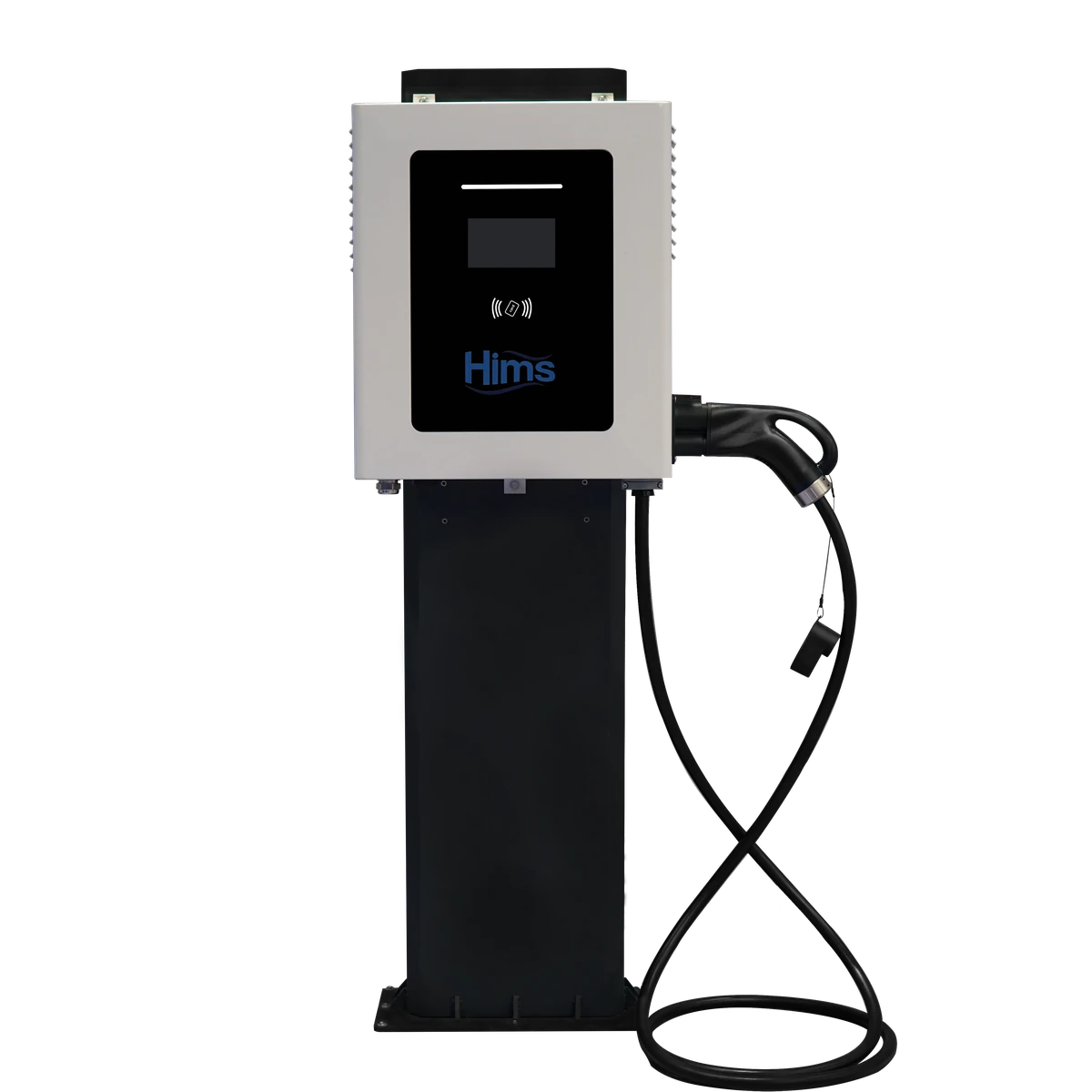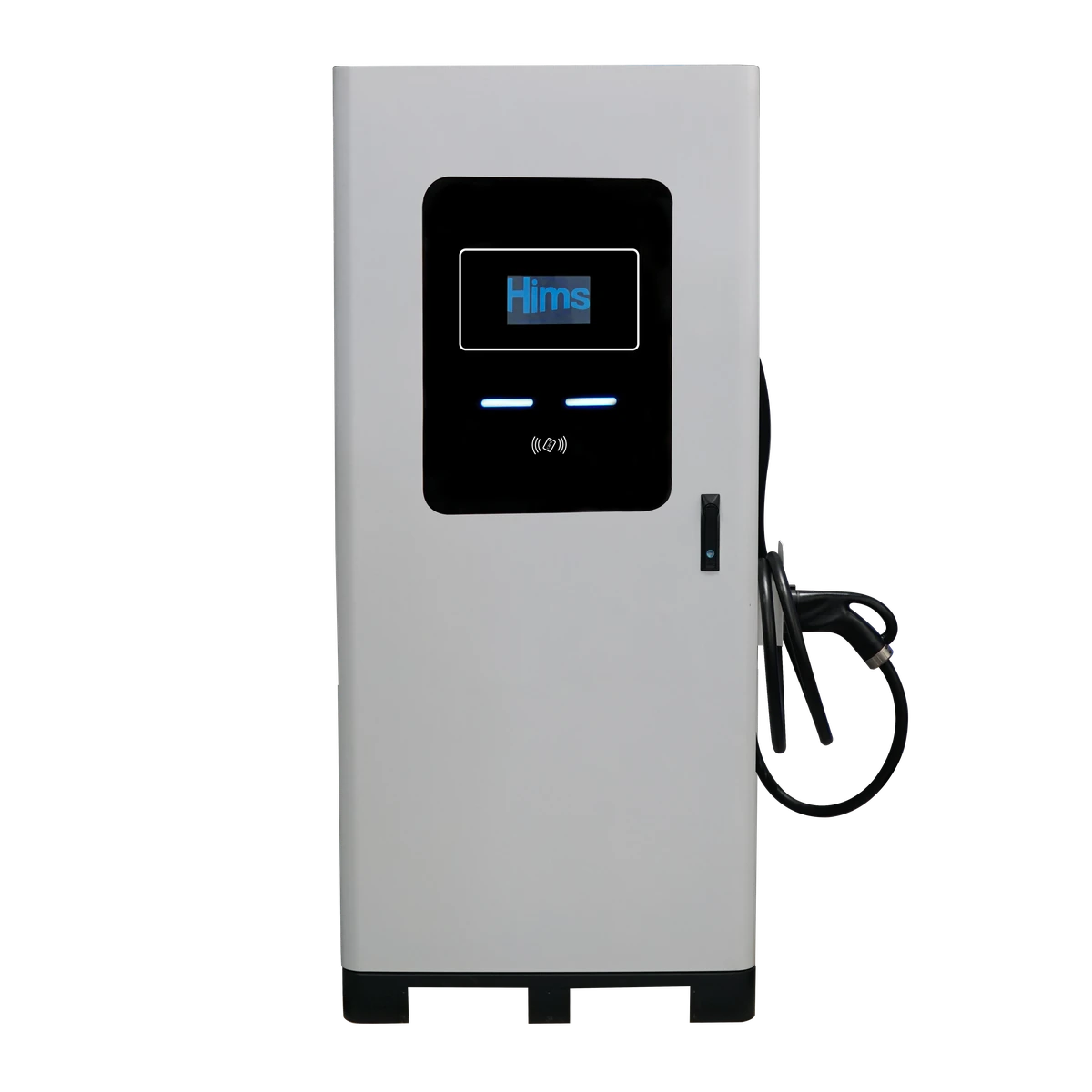
DC Fast Charging Station
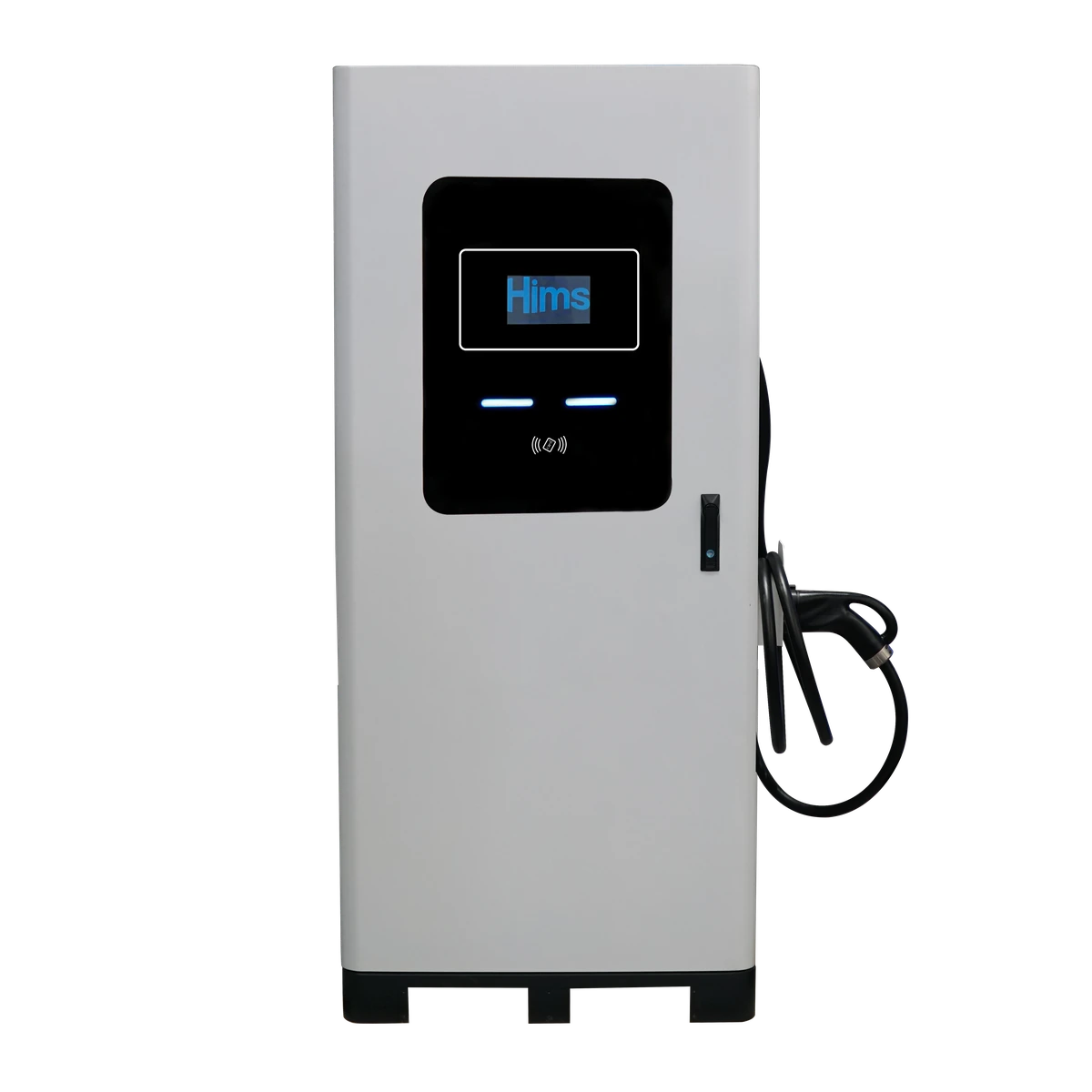
HCDC-S1-120 120kW DC Fast Charging Station – Single Connector
Floor-standing 120 kW DC fast charging station. With its single CCS2 socket (one output), 7" touchscreen, RFID and OCPP 1.6J management, it is designed for commercial charging sites.
We manufacture; our authorized dealers sell and install.
- 1. Choose your product
- 2. Request a quote from a dealer
- 3. Your dealer installs and services it
Power
120 kW
Three-Phase
Durability
IP54, IK10
Smart Control
OCPP 1.6J · RFID (ISO/IEC 14443A/B)
Warranty
2 Years
CE · EMC: EN 61000-6-1/6-3
Features
Full technical data
Technical Specifications
- Maximum DC current (total / single CCS2 connector)
- 250 / 250 A
- About current limits
- The stated values are maximum current limits. Actual output current depends on the vehicle battery voltage, vehicle demand and the station's total power limit.
- Output Power
- 120 kW DC
- Input Voltage
- AC 380V – 50/60Hz (AC input)
- Output Voltage Range
- 200-1000VDC
- Power Architecture
- Four 30 kW modules
- Connector
- CCS2
- Display
- 7" touchscreen LCD
- Protection Class
- IP54/IK10
- Operating Temperature
- -30°C ~ +55°C
- Protocol
- OCPP 1.6J
- Protections
- Over/under-voltage, overcurrent, earth fault
- Other
- Emergency stop button, temperature sensors
- Standards
- Mode 4 · IEC-61851 · ISO-15118 · DIN 70121
- Number of Sockets: Single (HCDC-S1-120)
- CCS2 single
DC current limits 2
- Maximum DC current (total / single CCS2 connector)
- 250 / 250 A
- About current limits
- The stated values are maximum current limits. Actual output current depends on the vehicle battery voltage, vehicle demand and the station's total power limit.
Electrical 4
- Output Power
- 120 kW DC
- Input Voltage
- AC 380V – 50/60Hz (AC input)
- Output Voltage Range
- 200-1000VDC
- Power Architecture
- Four 30 kW modules
Mechanical 3
- Connector
- CCS2
- Display
- 7" touchscreen LCD
- Protection Class
- IP54/IK10
Environment 1
- Operating Temperature
- -30°C ~ +55°C
Communication 1
- Protocol
- OCPP 1.6J
Safety & Protection 2
- Protections
- Over/under-voltage, overcurrent, earth fault
- Other
- Emergency stop button, temperature sensors
Standards & Certification 1
- Standards
- Mode 4 · IEC-61851 · ISO-15118 · DIN 70121
Options 1
- Number of Sockets: Single (HCDC-S1-120)
- CCS2 single
Data source
- HIMS 2026 Product Catalogue (PDF)
- HIMS Price List 2026/2
Frequently asked questions
How many kW of power does this device deliver, and does it require a single-phase or three-phase connection?
Operates at 120 kW with a three-phase connection. · Supply voltage: AC 380V – 50/60Hz (AC input) · Maximum DC current (total / single CCS2 connector) 250 / 250 A
Which vehicles is it compatible with?
Compatible with electric vehicles that support the CCS2 (Combo 2) DC fast charging connector.
How long is the warranty period?
Covered by a 2-year warranty.
Does it support remote management and OCPP?
It can be remotely monitored and managed using the following features: OCPP 1.6J, RFID (ISO/IEC 14443A/B)
What are the protection class and installation location?
Protection class: IP54, IK10
Single CCS2 — Why 250 A? Designed for new-generation 800 V vehicles
This 120 kW station was designed for architectures above 400 V (800 V class) with 250 A: 800 V-class vehicles receive the full 120 kW (approximately 150 A is sufficient for this); for 400 V-class vehicles, the 250 A current limit restricts power to approximately 100 kW.
current ≈150–200 A / 250 A — limit: station power
current 250 A / 250 A (full) — limit: connector current
P = V × IWhy less in the 400 V class? Delivering the same power at a lower voltage takes more current: for 120 kW, at 800 V ~150 A, at 400 V ~300 A and at 350 V ~343 A are needed. For full power, a 400 V vehicle needs a connector carrying ~300–343 A, with a thicker cable; this station's connector is rated 250 A.
A growing share of new-generation models use 800 V architecture; vehicles common in Turkey, such as Togg, are in the 400 V class.
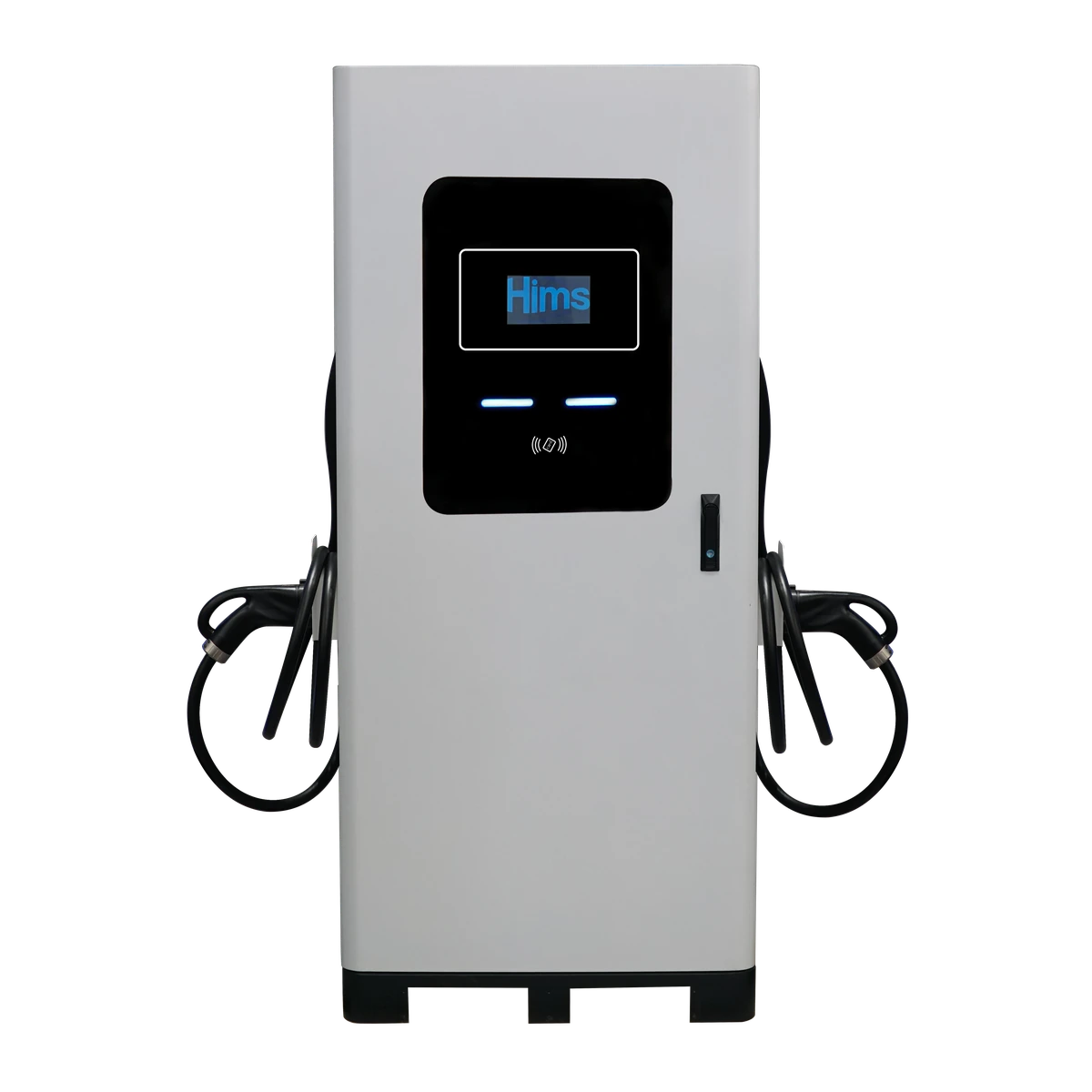
On the dual-socket model, if two vehicles charge at the same time, the station's power is shared between them.