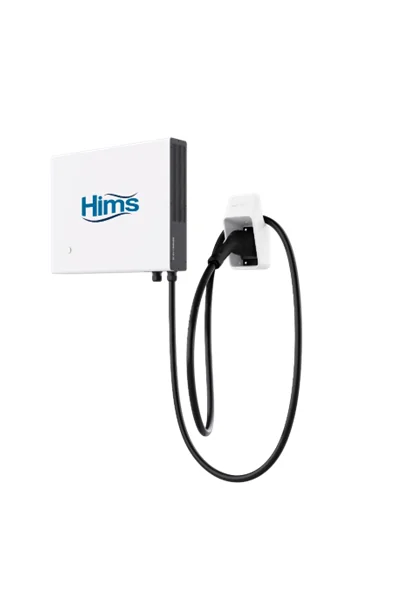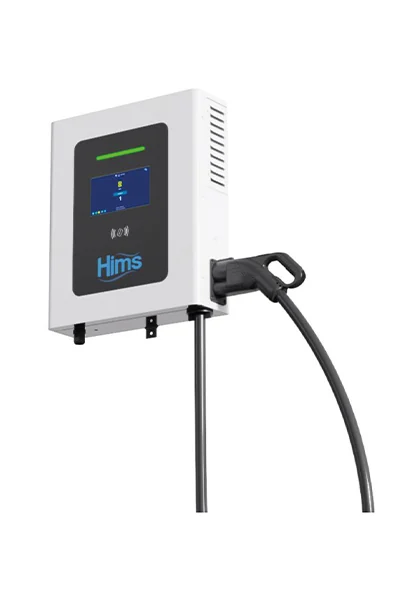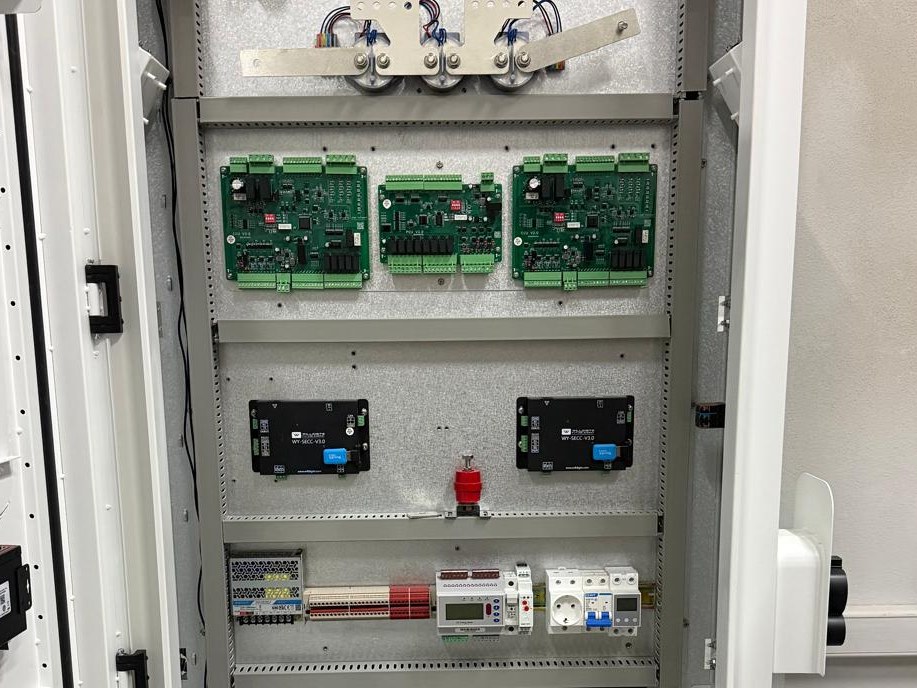
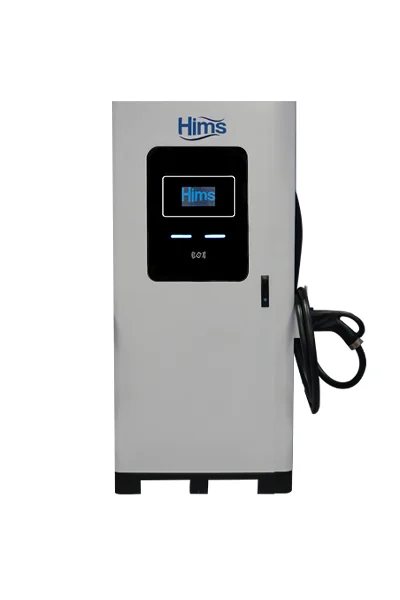
120 kWThree-Phase
DC Fast Charging Station
DC120
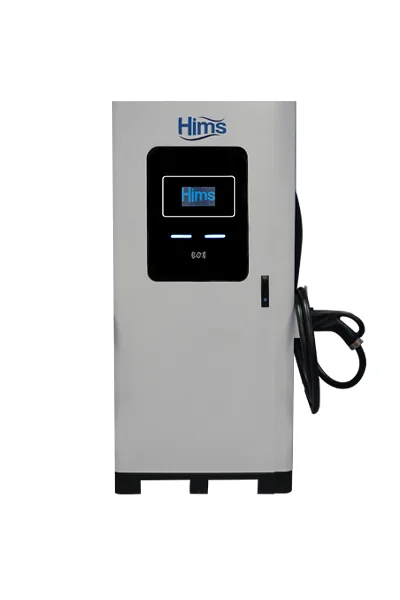
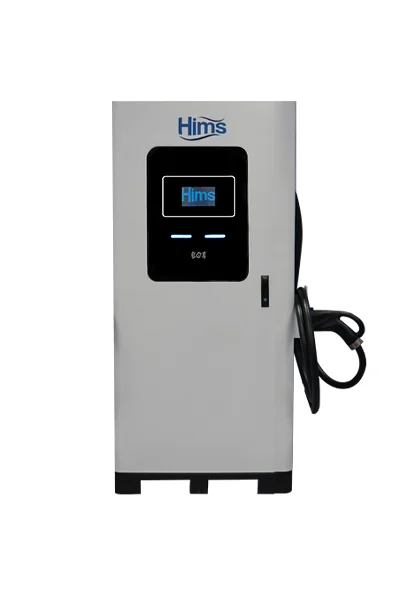
120kW DC Fast Charging Station (Single and Dual Connector Options)
Our most powerful model: a 120kW DC ultra-fast charging station. With 30kW x4 modules and dual CCS2 sockets, it delivers the shortest charging time on motorways, at shopping centres and on fleet sites, with full central management via OCPP 1.6J.
120kW Ultra DCDual CCS230kW x4 ModuleOCPP 1.6JFloor Mounting
In Stock2 Years WarrantyCE · EMC: EN 61000-6-1/6-3
Power
120 kW
Three-Phase
Durability
IP54, IK10
Smart Control
OCPP 1.6J · RFID (ISO/IEC 14443A/B)
Warranty
2 Years
CE · EMC: EN 61000-6-1/6-3
Features
120kW DC Ultra-Fast Charging
Dual CCS2 Socket
30kW x4 Module
7" LCD Touchscreen
OCPP 1.6J
RFID (ISO/IEC 14443A/B)
Ethernet / 4G
RCD 30mA Type A
Over/Under-Voltage Protection
Earth Fault Protection
Smart Management
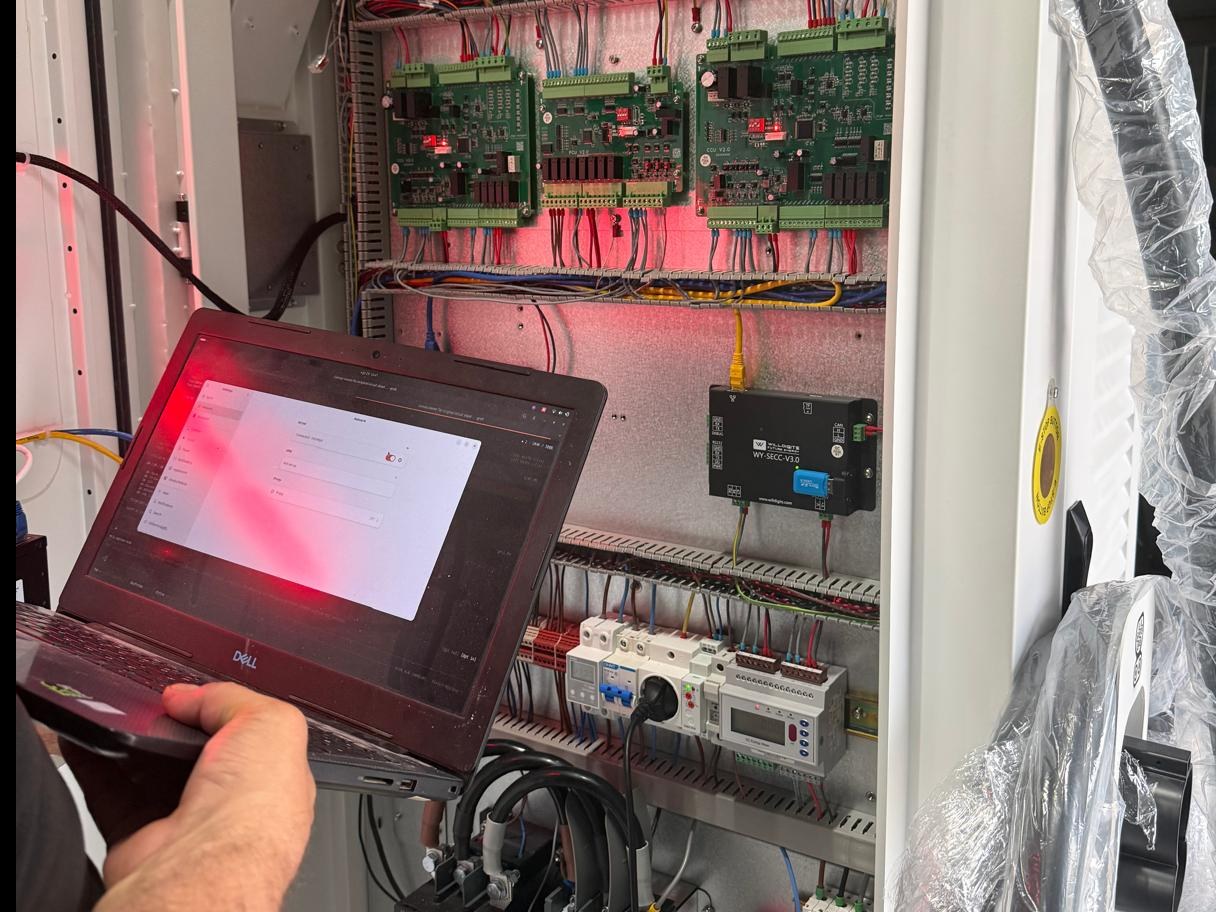
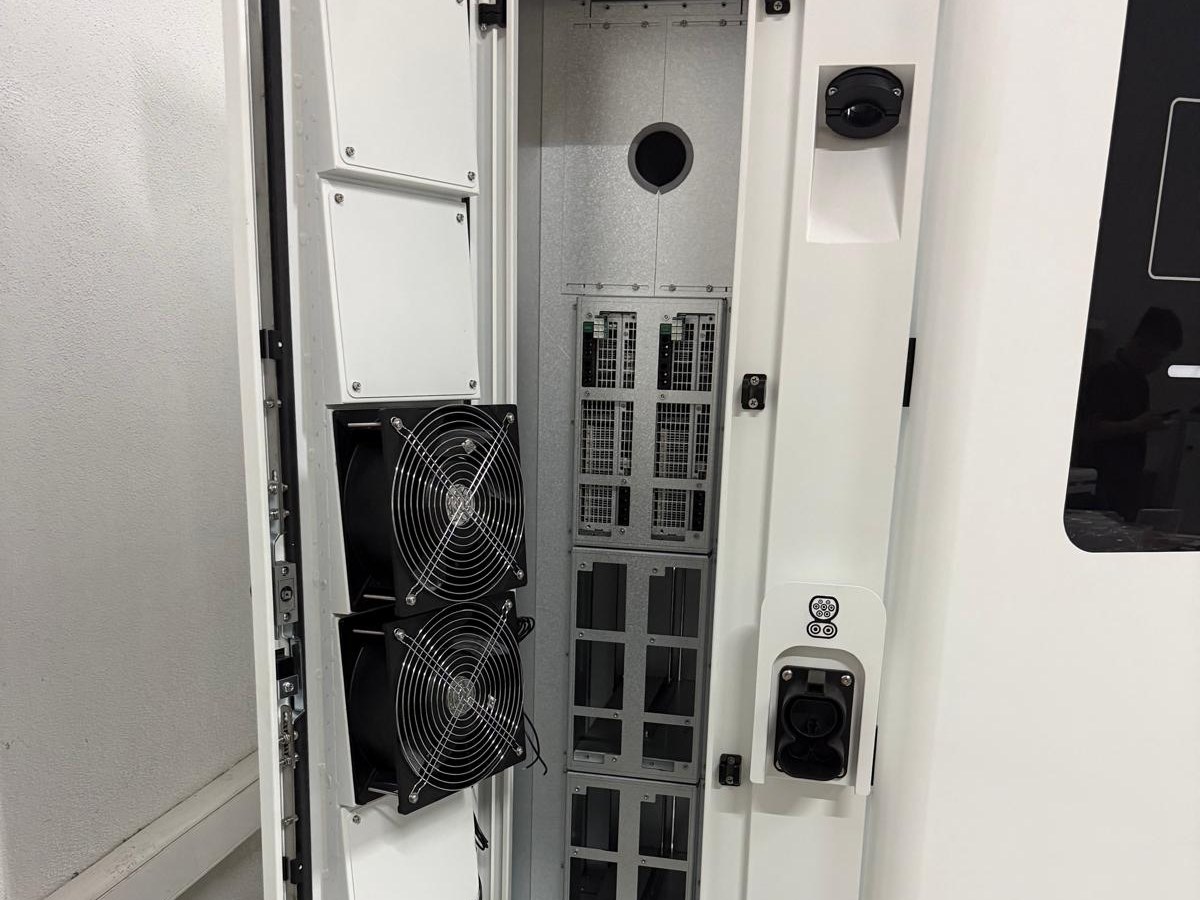
FROM THE FACTORY
PRODUCTION PROCESS
Every unit passes a four-stage quality control before shipment.
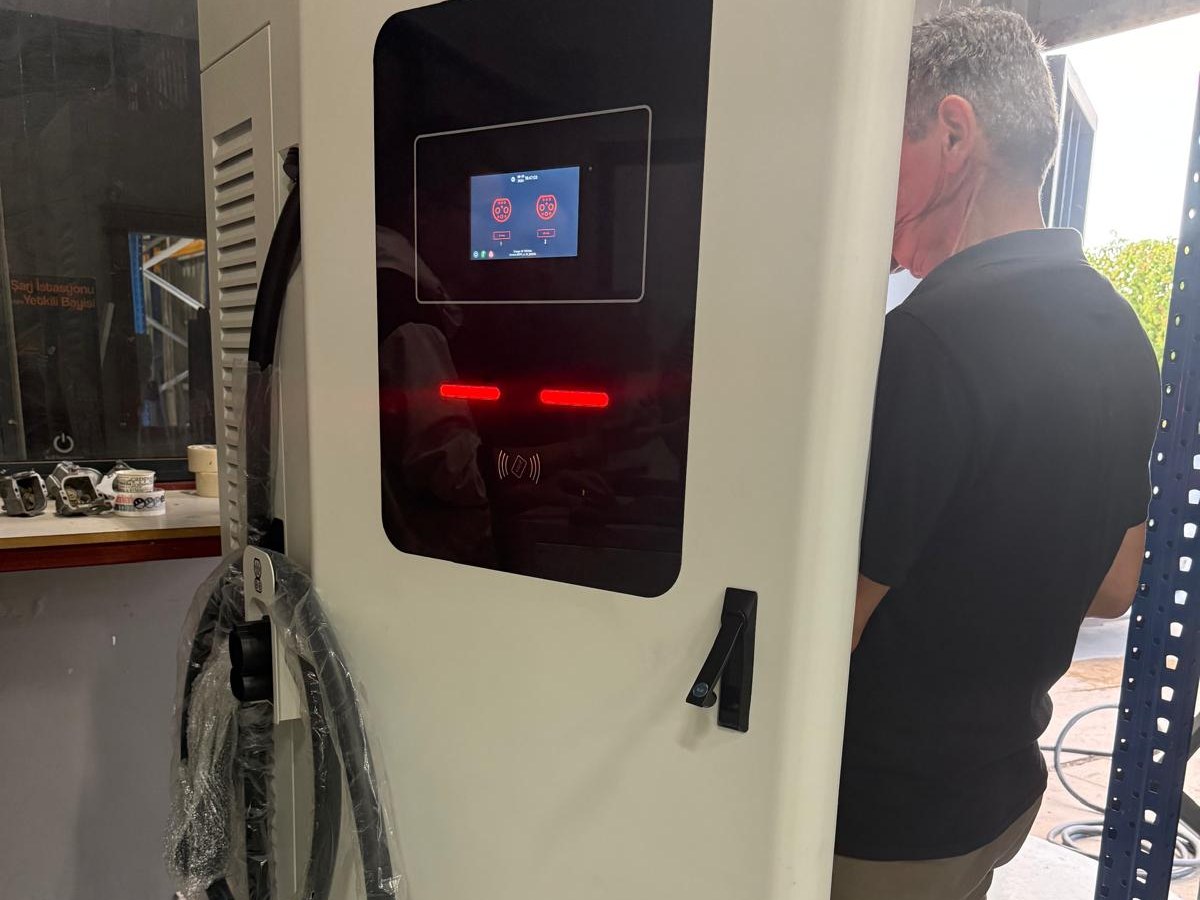
Product Videos
Scenes from Use
Full technical data
Technical Specifications
- Output Power
- 120 kW DC
- Input Voltage
- AC 400V – 50/60Hz (AC input)
- Output Voltage Range
- 200-1000VDC
- Output Current
- max. 250A (DC output)
- Power Architecture
- Four 30 kW modules
- Connector
- CCS2
- Display
- 7" touchscreen LCD
- Protection Class
- IP54/IK10
- Operating Temperature
- -30°C ~ +55°C
- Protocol
- OCPP 1.6J
- Protections
- Over/under-voltage, overcurrent, earth fault
- Other
- Emergency stop button, temperature sensors
- Standards
- Mode 4 · IEC-61851 · ISO-15118 · DIN 70121
- Number of Sockets: Single (HCDC-S1-120)
- CCS2 single
- Number of Sockets: Dual (HCDC-S2-120)
- Dual CCS2, four 30 kW module architecture, simultaneous charging
Electrical 5
- Output Power
- 120 kW DC
- Input Voltage
- AC 400V – 50/60Hz (AC input)
- Output Voltage Range
- 200-1000VDC
- Output Current
- max. 250A (DC output)
- Power Architecture
- Four 30 kW modules
Mechanical 3
- Connector
- CCS2
- Display
- 7" touchscreen LCD
- Protection Class
- IP54/IK10
Environment 1
- Operating Temperature
- -30°C ~ +55°C
Communication 1
- Protocol
- OCPP 1.6J
Safety & Protection 2
- Protections
- Over/under-voltage, overcurrent, earth fault
- Other
- Emergency stop button, temperature sensors
Standards & Certification 1
- Standards
- Mode 4 · IEC-61851 · ISO-15118 · DIN 70121
Options 2
- Number of Sockets: Single (HCDC-S1-120)
- CCS2 single
- Number of Sockets: Dual (HCDC-S2-120)
- Dual CCS2, four 30 kW module architecture, simultaneous charging
Sources and verification notes (5)
- HIMS 2026 Product Catalogue (PDF)
- https://www.elektromarketim.com/hims-dc-hizli-sarj-istasyonu-120-kw-tek-soket
- https://www.elektromarketim.com/hims-dc-hizli-sarj-istasyonu-120-kw-cift-soket
- Note: Input Voltage: the 2026 catalogue's 'AC 400V – 50/60Hz (AC input)' was used (source states '400VAC (3 phase)')
- Note: Standards: the 2026 catalogue's 'Mode 4 · IEC-61851 · ISO-15118 · DIN 70121' was used (source states 'IEC-61851, ISO-15118, DIN70121')
Frequently asked questions
How many kW and on which phase does this device operate?
Operates at 120 kW with a three-phase connection. · Supply voltage: AC 400V – 50/60Hz (AC input)
Which vehicles is it compatible with?
CCS2 (Combo 2) is compatible with all electric vehicles with a DC fast-charging socket.
How long is the warranty period?
Covered by a 2-year warranty.
Does it support remote management and OCPP?
It can be remotely monitored and managed using the following features: OCPP 1.6J, RFID (ISO/IEC 14443A/B)
What are the protection class and installation location?
Protection class: IP54, IK10
Why 250 A? Designed for new-generation 800 V vehicles
This station was designed for architectures above 400 V (800 V class), with 250 A: a vehicle whose battery is at 480 V or more receives the full 120 kW; an 800 V-class vehicle needs only ~150–200 A for that.
800 V architecture120 kW
current ≈150–200 A / 250 A — limit: station power
400 V architecture≈87.5–100 kW
current 250 A / 250 A (full) — limit: connector current
P = V × IWhy less in the 400 V class? Delivering the same power at a lower voltage takes more current: for 120 kW, at 800 V ~150 A, at 400 V ~300 A and at 350 V ~343 A are needed. For full power, a 400 V vehicle needs a connector carrying ~300–343 A, with a thicker cable; this station's connector is rated 250 A.
A growing share of new-generation models use 800 V architecture; vehicles common in Türkiye, such as Togg, are in the 400 V class.
On the dual-socket model, if two vehicles charge at the same time, the station's power is shared between them.